
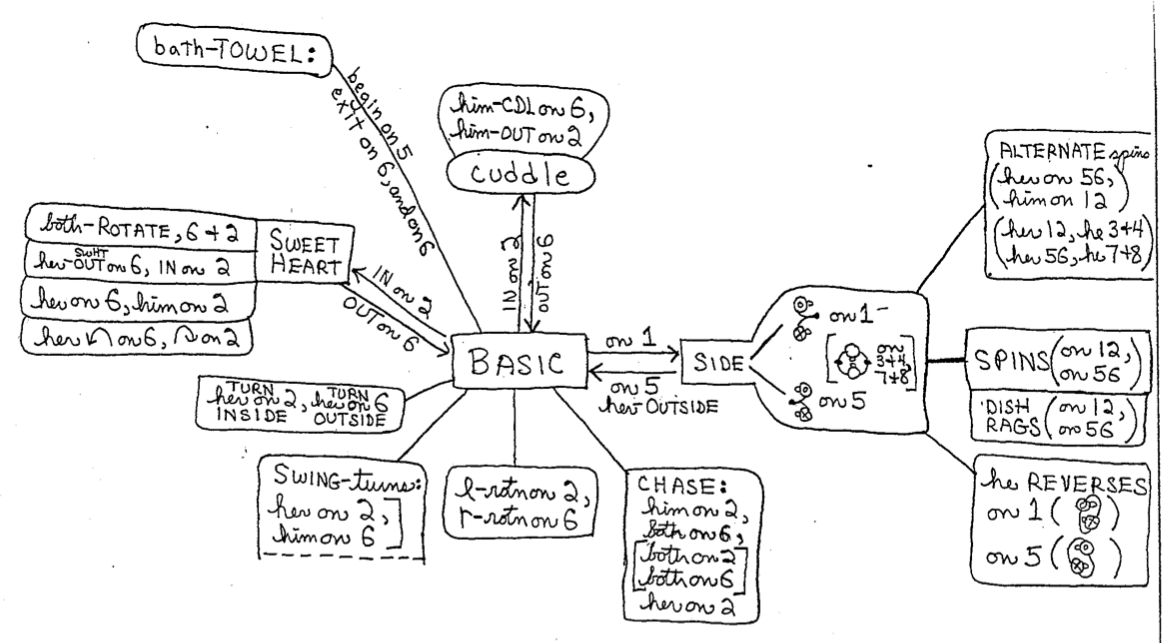
Ballroom Dancing: A leader deciding “what to do next” should know the options. For example, in Cha Cha what patterns can you do from Basic Position, and then after moving into "SIDE" Position? |
|||||||||||||||||||||||||||||||||||||||||||||||||||||||||
 |
|||||||||||||||||||||||||||||||||||||||||||||||||||||||||
| |
|||||||||||||||||||||||||||||||||||||||||||||||||||||||||
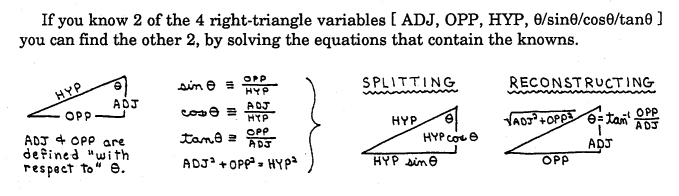
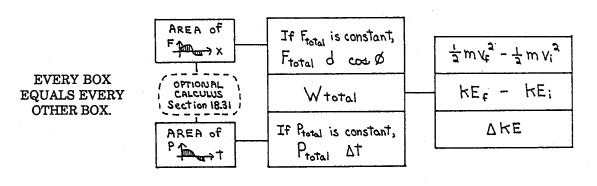
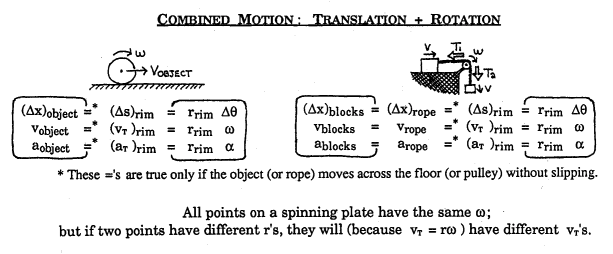
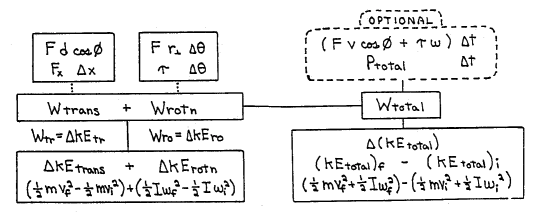
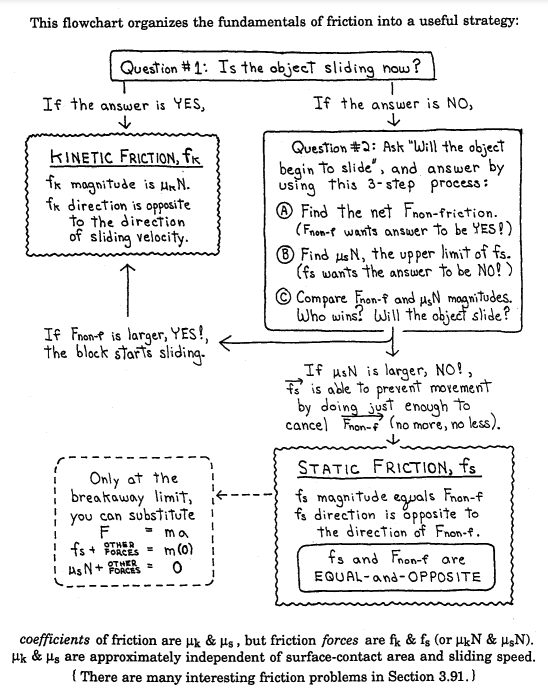
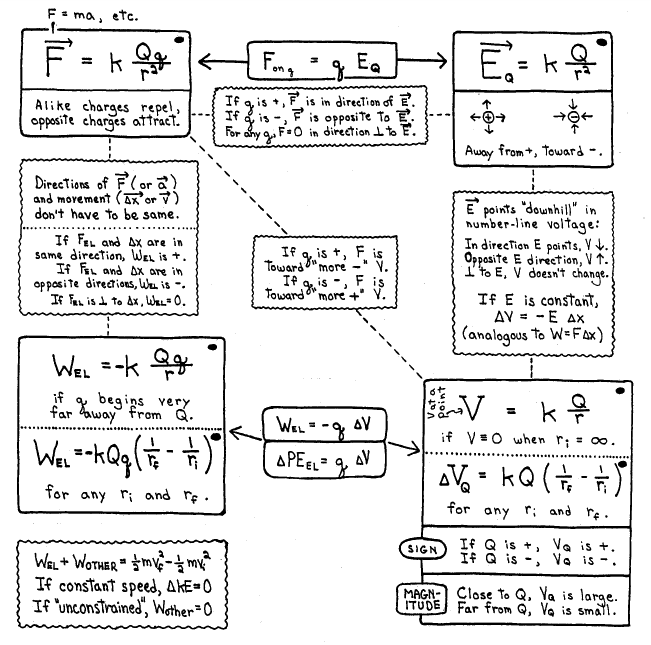
Physics: Tools for Problem Solving (my book) includes these six diagrams and many others, where the main theme is showing how “if you these things, you can calculate other things.” |
|||||||||||||||||||||||||||||||||||||||||||||||||||||||||
 |
 |
||||||||||||||||||||||||||||||||||||||||||||||||||||||||
 |
 |
||||||||||||||||||||||||||||||||||||||||||||||||||||||||
 |
 |
||||||||||||||||||||||||||||||||||||||||||||||||||||||||
| |
|||||||||||||||||||||||||||||||||||||||||||||||||||||||||
Splitting Out the White is a useful way to think about mixing light-colors. |
|||||||||||||||||||||||||||||||||||||||||||||||||||||||||
|
|||||||||||||||||||||||||||||||||||||||||||||||||||||||||
| |
|||||||||||||||||||||||||||||||||||||||||||||||||||||||||
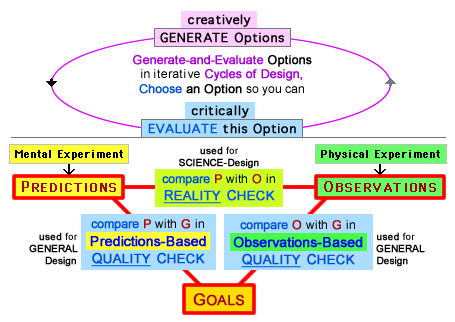
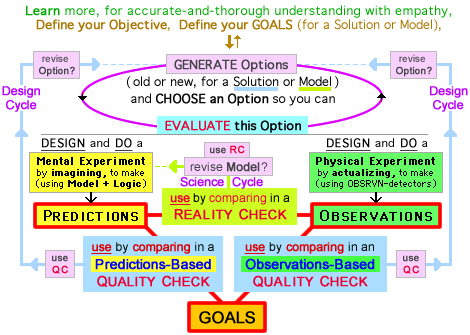
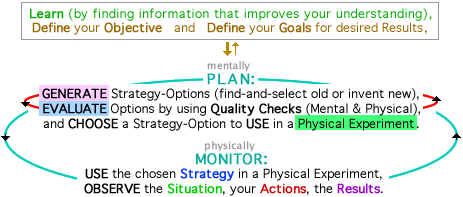
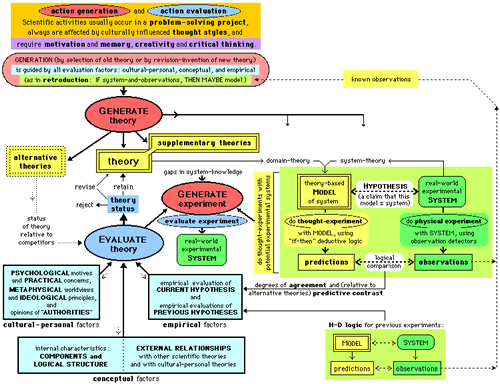
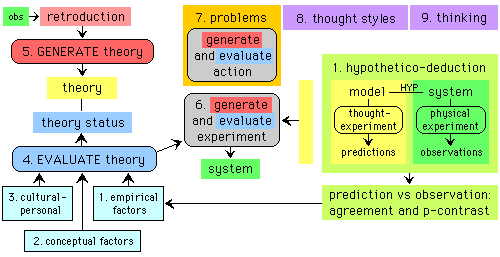
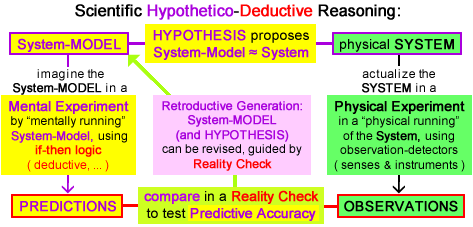
Scientific Method: my PhD Dissertation included the top two diagrams. The third diagram is a detailed version of "1. hypothetico-deduction" that's in 5 diagrams, 3 below and 2 at the beginning of this page. |
|||||||||||||||||||||||||||||||||||||||||||||||||||||||||
 |
 |
||||||||||||||||||||||||||||||||||||||||||||||||||||||||
 |
|||||||||||||||||||||||||||||||||||||||||||||||||||||||||
| |
|||||||||||||||||||||||||||||||||||||||||||||||||||||||||
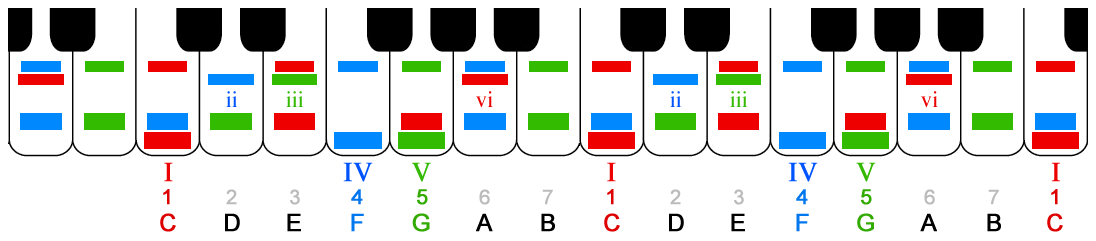
note-names (C,D,E,...) and note-numbers (1,2,3,...), Major Chords (I, IV, V) and Minor Chords (ii, iii, vi): |
|||||||||||||||||||||||||||||||||||||||||||||||||||||||||
|
 |
||||||||||||||||||||||||||||||||||||||||||||||||||||||||
also – later I'll include other diagrams...
from my juggling booklet and
from a chemistry textbook I never finished, and
for energy conversions (between sound, magnetism-and-motion, electricity, sound) when using a microphone to make a vinyl phonograph record and then playing it back through a speaker, with "sound (from voice) ➞ electricity ➞ sound (from speaker)"; I made it for a "Physics in the Arts" course at U of WI, and while teaching it (as T.A.) I also invented "Splitting Out the White" above.